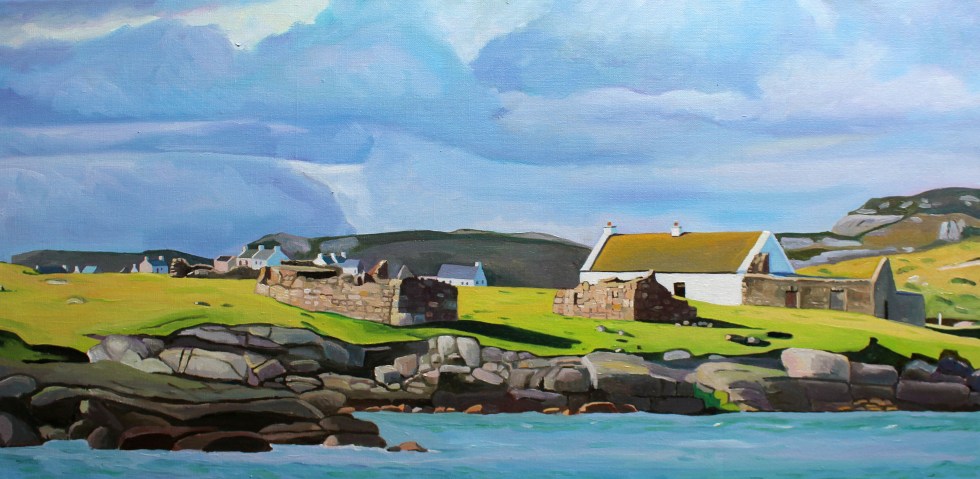
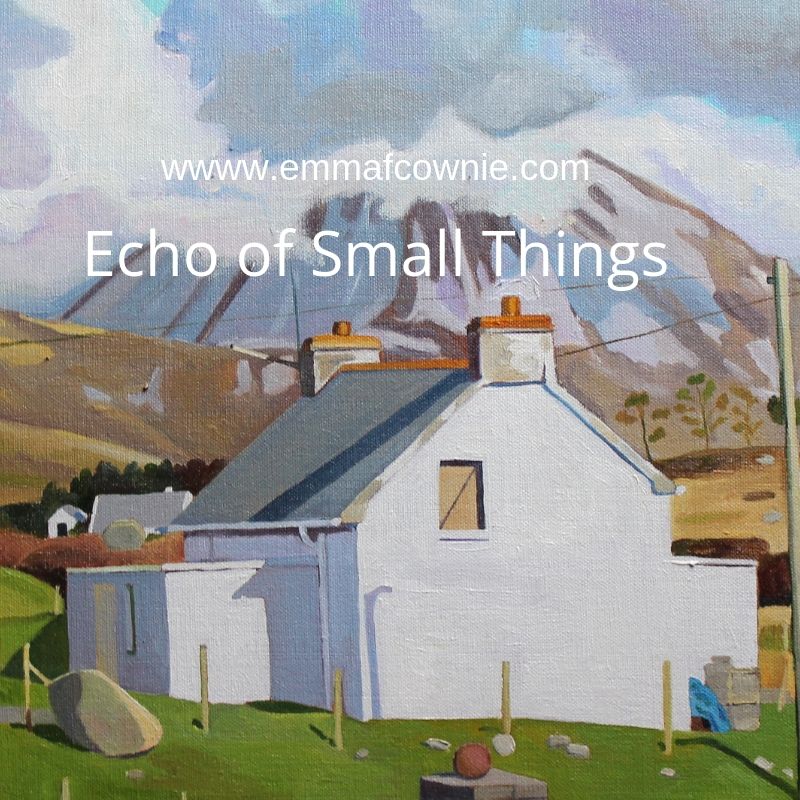
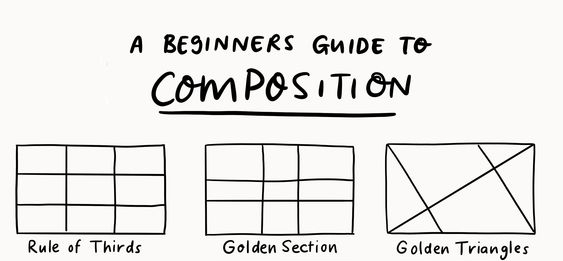
This is a follow on from my last post about composition and large landscape paintings. Included a small study of a view of Arranmore, Donegal. The study used a diagonal composition.


When it came to a much larger painting (60x80cm – approx 24″ x 32″) I decided on a slightly different composition. It wasn’t that I didn’t think the small painting worked, because it did, but because paintings in the “landscape” format are more popular with collectors than those in “portrait” format. It might have something to do with wall space, I am not sure. If you are not sure what “landscape” and “portrait” format is, it’s just about which round the painting is positioned. “Landscape” has the longest side along the bottom, “portrait” has the shortest side along the bottom.
Landscape format allowed me to include the sweep of the hill as it fell away from the viewpoint towards the sea. This composition used the rule of thirds, so the painting has a different energy to the study.

The position of the viewer is slightly different, it has moved to the left and so more of the house in the foreground can be seen. The larger painting also has a red tractor in the lane, which the study did not, which draws the eye down the lane: hence the title.

I particularly enjoyed painting the different textures of crops and grass in the field that were not visible in the study painting. The widened composition also included the large cross on the shore to the left. I did not realize it at first but the wall in the corner of the painting is a graveyard wall. This is the graveyard of St. Crone’s chapel. Saint Crone was a sixth-century Irish saint descended from King Niall Noígíallach (‘of the Nine Hostages’) and a contemporary of Saint Colmcille (St. Columba of Iona). Saint Crone was very active in the Rosses area. The parish of Dungloe on the mainland also takes its name from her; Templecrone.

So executing a study can be a useful tool in thinking about the composition of a larger work. It will show if a composition works or not but it can also suggest improvements and variations. Interestingly the study is a painting in its own right, it has a different, lighter feel to it. Small paintings often take just as much thought and effort as larger ones even if they are quicker to execute.
My PC just crashed. I am not sure if that’s a result of the effects of Storm Dennis (we had downpours all night long here) but I am going to stop here!


 Under-painting of Tenby Harbour
This painting took most of the week to complete as the light was so poor. I could only work for a few hours at a time. I resisted the urge to push on once the light went.
Under-painting of Tenby Harbour
This painting took most of the week to complete as the light was so poor. I could only work for a few hours at a time. I resisted the urge to push on once the light went.


 Close Up
When I looked at the finished painting, I found pleasure in the curves of the harbour wall on the right side of the painting. As it was in shadow, I had not really paid it much attention before.
You may recognise the lobster pots on the quayside to the right of the painting that were such a big feature in the first Tenby painting in this series. On the left, there is the tiny turquoise boat alongside the quay. This is the Mistress II, which was in “Hazy Tenby”. That makes me smile. In a weird way, it reminds me of the many novels of Anthony Trollope in which he created a world in which a person may be the central character in one book and a minor figure, who only gets a passing reference, in another. Once I have painted an object or person they become quite fixed in my memory, largely because I had studied them so closely. The lobster pots had their moment in “Early Morning Tenby” and tiny turquoise boat in “Hazy Tenby”, and now are supporting characters in “Tenby Panorama”.
Close Up
When I looked at the finished painting, I found pleasure in the curves of the harbour wall on the right side of the painting. As it was in shadow, I had not really paid it much attention before.
You may recognise the lobster pots on the quayside to the right of the painting that were such a big feature in the first Tenby painting in this series. On the left, there is the tiny turquoise boat alongside the quay. This is the Mistress II, which was in “Hazy Tenby”. That makes me smile. In a weird way, it reminds me of the many novels of Anthony Trollope in which he created a world in which a person may be the central character in one book and a minor figure, who only gets a passing reference, in another. Once I have painted an object or person they become quite fixed in my memory, largely because I had studied them so closely. The lobster pots had their moment in “Early Morning Tenby” and tiny turquoise boat in “Hazy Tenby”, and now are supporting characters in “Tenby Panorama”.